
Date
December 16th, Tuesday, 2025 to January 14th, Tuesday, 2026
Uttarayanam (North Solstice)
Meaning of Dhanurmasam
Dhanu means bow, masam means a month — “The Month of the Bow”.
Dhanurmasam is calculated when the Sun transits through Dhanus (Sagittarius) in the Tamil Hindu calendar. It typically falls from mid-December to mid-January and is devoted to Lord Vishnu.
It begins on the day the Sun enters Dhanus and lasts until it moves to Makara (Capricorn).
Spiritual Significance
In ancient times, Margashirsha, also known as Agrahayana, often marked the start of the Hindu New Year.
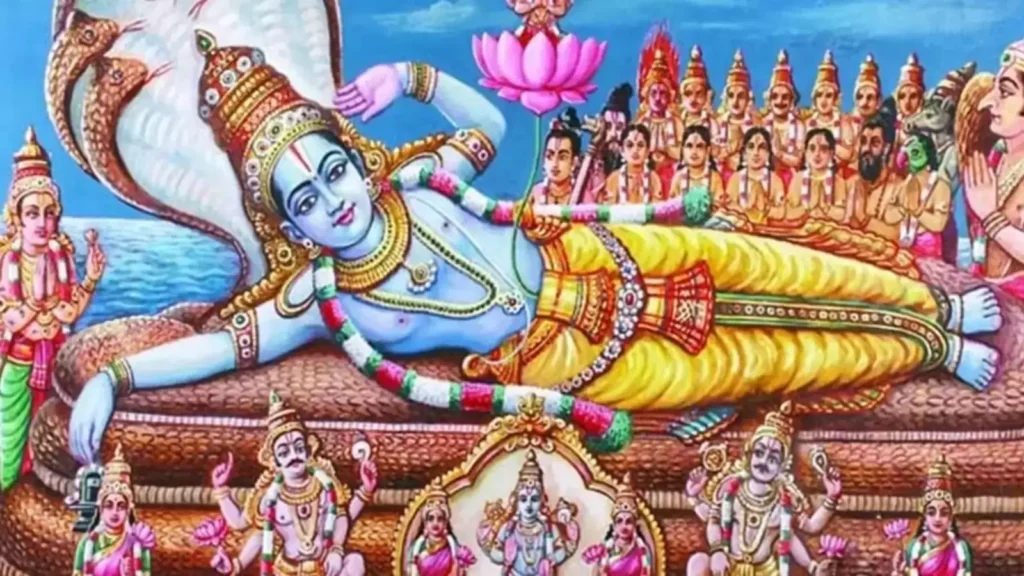
Dhanurmasam is a sacred month dedicated to Lord Vishnu, particularly in forms associated with the bow, such as Sharnga or Kodanda Rama. Devotees worship great archers like Rama, connecting martial spirit (Dhanurveda) with divine power (Vishnu).
During this spiritual month, Vishnu temples open early (around 3:00 AM) for special sevas and prayers such as Tiruppavai, Archana, Abhishekam, Annadana, and Godha Kalyanam, often performed before sunrise. Greater emphasis is placed on spiritual activities over worldly ones.
In the Bhagavad Gita, Lord Krishna declares:
“Among the months, I am Margashirsha” — symbolizing spiritual renewal.
This month is considered highly auspicious for spiritual practices, charity, and remembering God. It is believed that Lord Krishna imparted the Bhagavad Gita to Arjuna on Mokshada Ekadashi, celebrated as Vaikunta Ekadashi, when Vaikunta Dwaram opens in all Vishnu temples.
Vaikunta Dwaram is the sacred gate of Lord Vishnu’s abode. During Dhanurmasam, especially on Vaikunta Ekadashi, devotees believe the doors open, granting passage to liberation (moksha). Temples conduct special pujas, and devotees pass through the symbolic gate for spiritual upliftment.
The Bhagavata Purana mentions that the cowherd maidens (gopis) performed vows (vrata) during this month to attain Krishna as their husband — a tradition still followed by devotees.
Traditions
In South India, it is customary to draw rangoli during Dhanurmasam. Cone-shaped cow dung is decorated with flowers and rice flour, known as Karum Pillaiyar or Karudam.
Cow dung is collected for 30 days and used for the Bhogi fire. On Ratha Saptami, payasam is prepared using the collected cow dung.
Important Celebrations & Dates
- Start: December 16, 2025 – Dhanu Sankranti
- End: January 14, 2026 – Bhogi / Makara Sankramanam
- Vaikunta Ekadashi: December 30, 2025
(Vaikunta Dwaram opens) - Tiruppavai Parayanam:
Daily recitations replacing Suprabhatam in many Sri Vaishnava temples such as Tirumala and Srirangam - Adhyayanotsavams:
- Pagalpattu: Dec 30 – Jan 9
- Rapattu: Jan 10 – Jan 19
- Nammalwar Mokshotsavam: Jan 19 (at select locations)
Daily Rituals & Practices
- Early morning worship during Brahma Muhurta
- Daily Abhishekam and pooja
- Offering pongal and other savouries daily
- Reciting Tiruppavai for thirty days
- Vaikunta Ekadashi pooja
- Bhogi festival
- Godha Kalyanam
- Makara Sankranti festival
- Ayyappa Swamy Jyoti Darshan
Conclusion
Dhanurmasam concludes with Godha Kalyanam (the wedding of Andal and Ranganatha Swamy) and the Sun’s transit from Dhanus (Sagittarius) to Makara (Capricorn), marking the shift to Dakshinayanam (Southern Solstice).
