
🪷 Devi Durga & Navratri Stories
The divine power of the Mother Goddess and the celebration of Shakti
🌺 Origin of Goddess Durga
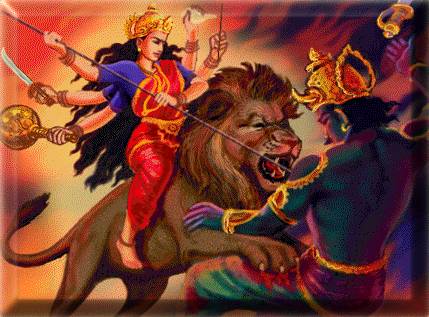
Goddess Durga was created by the combined divine energies of the gods to defeat the powerful demon Mahishasura, who had become invincible through a boon. Radiant with the strength of all deities, Durga appeared as the supreme embodiment of Shakti — divine feminine power.
Riding a lion and armed with celestial weapons, she battled Mahishasura for nine days and nights before finally slaying him on the tenth day, symbolizing the triumph of righteousness over evil.
🌼 Navadurga — The Nine Forms
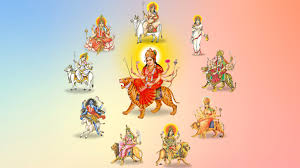
During Navratri, devotees worship the nine sacred forms of the Goddess, known as Navadurga. Each form represents a different aspect of divine energy and spiritual growth.
These forms include Shailaputri, Brahmacharini, Chandraghanta, Kushmanda, Skandamata, Katyayani, Kalaratri, Mahagauri, and Siddhidatri — guiding devotees from strength and discipline to purity and enlightenment.
🪔 Significance of Navratri
Navratri, meaning “nine nights,” is one of the most sacred Hindu festivals celebrated across India and around the world. It honors the victory of divine feminine power and the protection of the universe by the Mother Goddess.
Devotees observe fasting, perform prayers, sing devotional songs, and participate in cultural dances such as Garba and Dandiya, expressing joy and devotion.
✨ Eternal Message of Shakti
The story of Durga teaches that divine strength lies within all beings and that courage, faith, and righteousness ultimately overcome darkness and negativity.
🌺 Devi Durga represents the universal mother — protector, nurturer, and destroyer of evil — inspiring devotees to awaken inner strength and compassion.
